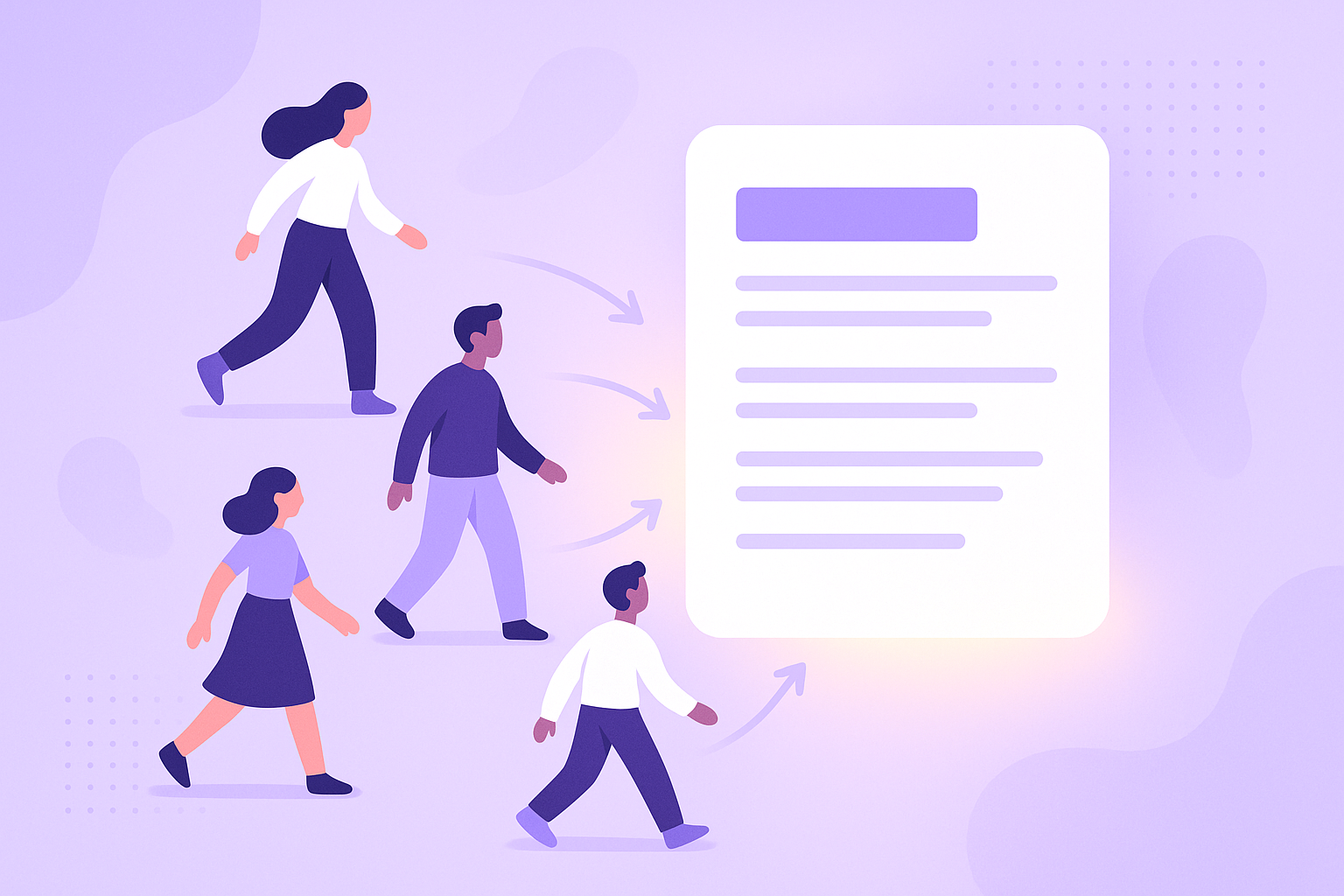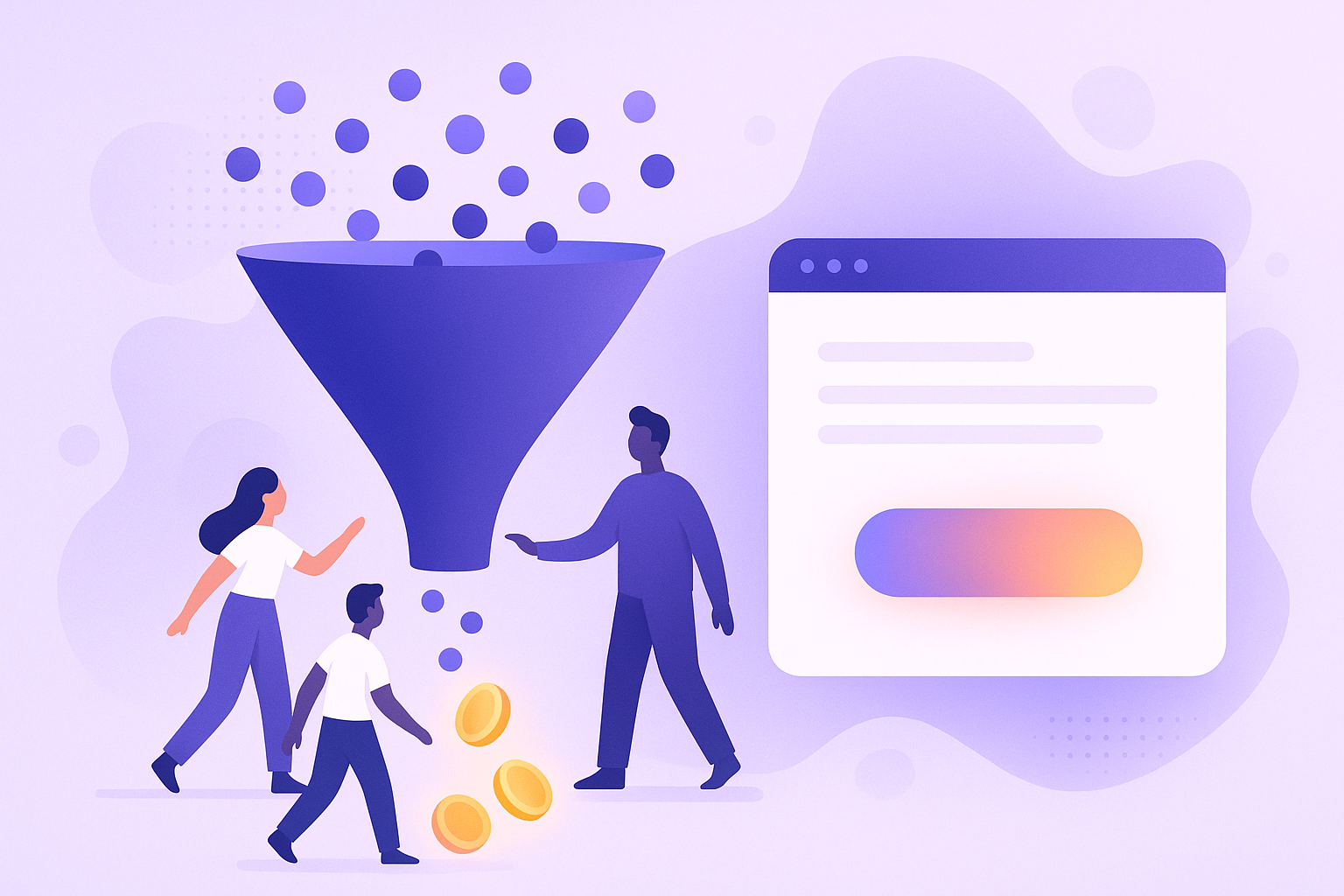
Every channel in this series — SEO, ads, content, email, social (Parts 3 through 7) — has one job: send the right people to your website. But here’s the moment of truth. If your site doesn’t turn those hard-won visitors into enquiries and sales, all that effort leaks straight out the bottom. Remember the leaky bucket from Part 1? This is where we plug it.
Let’s turn your website from a digital brochure into a conversion machine.
📢 This is Part 8 of my “Get Customers Online” series. A 10-part, plain-English guide to digital marketing for business owners. You can see every part of the series here — bookmark it and follow along.
What “conversion” means
A conversion is simply a visitor taking the action you want — calling, filling in a form, booking, or buying. Your conversion rate is the percentage who do. Nudge it from 1% to 2% and you’ve doubled your results without a single extra visitor. That’s why conversion is often the cheapest growth available: you’re not paying for more traffic, just making the traffic you already have count.
The essentials of a high-converting site
- A clear, single goal per page. Decide the one action you want, and make it obvious. Confused visitors don’t act.
- Strong calls to action (CTAs). Obvious, benefit-driven buttons — “Get a Free Quote”, “Book Your Call” — not a timid “Submit” hiding in a corner.
- Speed and mobile-friendliness. Most visitors are on phones, and a slow site loses them before they read a word (see my WordPress speed guide).
- Trust signals. Reviews, testimonials, logos, guarantees, real photos. People need reassurance before they act.
- Benefit-led copy. Talk about the customer’s problem and outcome, not just your features. “We” is weaker than “you”.
- Easy contact. Phone, form, and details simple to find on every page. Never make someone hunt to give you money.
Match the page to the promise
One of the highest-impact fixes: when you run an ad or campaign for a specific service, send clicks to a dedicated landing page about exactly that — not your generic homepage. If your ad promises “emergency boiler repair,” the page should be about emergency boiler repair, with one clear way to call. Every mismatch between the promise and the page costs you customers.
⚠️ Don’t bury your call to action. The most common conversion killer I see is a beautiful website where it’s somehow unclear what to do next. Don’t make visitors think or scroll endlessly to find how to contact you. Tell them the next step, plainly and often. A clear path beats a clever design every time.
🚀 Your action this week: Open your most important page on your phone and ask a friend: “What would you do next?” If they hesitate, your call to action isn’t clear enough. Fix that one thing and you may lift conversions more than any amount of extra traffic would.
What’s next in the series
You’re attracting visitors and converting them. But how do you know what’s actually working? In Part 9, I’ll cover measuring what matters — analytics without the overwhelm, so you can stop guessing and start improving. Follow the full series here.
Getting traffic but not enough enquiries? Turning an existing website into one that actually converts is some of the most rewarding work I do — and often the fastest win. See how I can help with your website — or just reach out and say hi.